
Best Dog Chews for Aggressive Chewers (Ranked by Durability and Safety)

If you own an aggressive chewer, you already know the frustration. You buy a chew that promises to last "hours." Your dog demolishes it in eight minutes. You try another brand. Same result. Meanwhile, you are reading labels full of ingredients you cannot pronounce, and wondering whether any of this is actually good for your dog.
Aggressive chewers are a specific category of dog owner problem, and it deserves a specific answer, not a generic list of pet store chews.
This guide ranks the best dog chews for aggressive chewers by what actually matters: how long they last, whether they are safe to consume, what they are made from, and which types of dogs they suit best. We are also honest about the weak points of each option, because every chew has trade-offs.
What Makes a Dog an "Aggressive Chewer"?
Before diving into the options, it helps to define the category. An aggressive chewer is not just a dog that likes to chew. These are dogs that:
- Destroy standard chews (rope toys, Nylabones, standard bully sticks) within minutes
- Tend to bite off large chunks rather than gnaw steadily
- Have strong jaw muscles and high chewing drive, often seen in working breeds, terriers, and large sporting breeds
- Can chew through items that most dogs would take days to finish
Breeds that commonly fall into this category include Labrador Retrievers, German Shepherds, Belgian Malinois, Pit Bulls, Rottweilers, Huskies, and many terrier types, though chewing drive varies by individual dog regardless of breed.
The challenge with aggressive chewers is that durability and safety are often in tension. The hardest chews last the longest, but very hard materials carry a higher risk of tooth fractures. Finding the right balance is what this guide is about.
The 6 Best Dog Chews for Aggressive Chewers
1. Yak Chews (Himalayan Cheese Chews): Best Overall
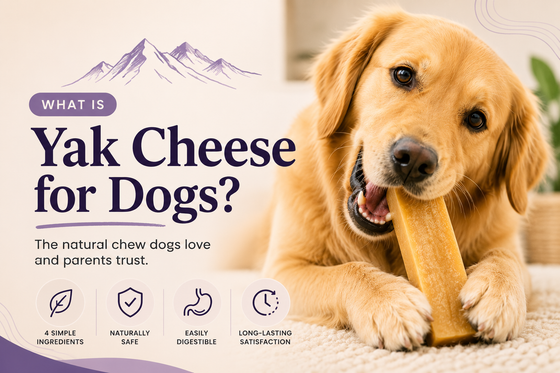
What they are: Yak chews are made from compressed, sun-dried yak milk cheese using a traditional Himalayan process called chhurpi. The best versions contain only four ingredients: yak milk, lime juice, salt, and baking soda.
Why they work for aggressive chewers: Yak chews are exceptionally hard, denser than most natural chews, and do not splinter or break into sharp fragments. An aggressive chewer who destroys a standard bully stick in minutes will often take days or even weeks to work through a properly sized yak chew. The hardness comes from the drying process, not from any chemical hardening agents.
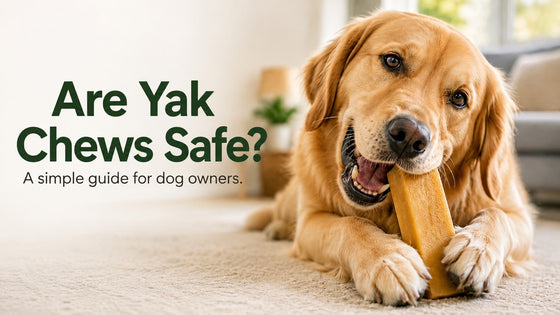
Safety profile: Very good. Yak chews are digestible (they are made from cheese protein), naturally low in lactose, and free of chemical processing. Small pieces chewed off during normal use are broken down by digestion like any food. The main caution is sizing: choose a chew large enough that your dog cannot swallow it whole, and take it away when it gnaws down to a small nub. The nub can be microwaved for 45 seconds to puff into a safe, crunchy treat.
Durability for aggressive chewers: Excellent. Among the longest-lasting natural chews available.
Best for: Large to extra-large dogs with very high chewing drive. Also excellent for medium breeds that go through softer chews quickly.
Trade-offs: Higher price per unit than bully sticks, though the cost-per-hour of chewing is significantly lower given how long they last. Dogs with known dental issues should check with their vet before using any hard chew.
Our pick: Yak Chew Plus Heritage Original in the correct size for your dog's weight.
2. Raw Marrow Bones: Longest-Lasting Option
What they are: Uncooked beef femur or knuckle bones, typically sold refrigerated or frozen.
Why they work for aggressive chewers: Raw bones are extremely hard and can occupy even the most determined chewer for a long time. Marrow inside the bone adds nutritional value and keeps dogs engaged.
Safety profile: Moderate. Raw bones are much safer than cooked bones (which become brittle and can splinter dangerously), but they come with their own set of considerations. They require refrigeration, carry bacterial contamination risks (Salmonella and E. coli), and should be given outdoors or on an easy-to-clean surface. Knuckle bones are generally considered safer than weight-bearing femur bones, which are very hard and can fracture teeth in forceful chewers.
Durability for aggressive chewers: Excellent, depending on bone size.
Best for: Dogs with strong chewing drive whose owners are prepared to manage food safety protocols.
Trade-offs: Messy, require refrigeration, bacterial contamination risk, higher tooth fracture risk on hard weight-bearing bones.
3. Bully Sticks: Best for Moderate Chewers in This Category
What they are: Dried beef pizzle (bull penis). Single ingredient, no additives in reputable brands.
Why they work: Fully digestible, widely available, and dogs love the taste. Softer than yak chews, which means less tooth fracture risk.
Safety profile: Very good. Fully digestible, no chemical processing in quality brands. The main concern is calorie content: bully sticks are calorie-dense, so heavy daily use can contribute to weight gain. Some cheap brands are not single-ingredient, so check labels.
Durability for aggressive chewers: Poor to moderate. Most aggressive chewers go through a standard bully stick in under 15 minutes. Thick jumbo bully sticks last longer, but still will not keep a true power chewer occupied for more than 30 to 45 minutes.
Best for: Dogs with moderate to high chewing drive. Not the best fit for the most aggressive chewers unless you are using the thickest available options.
Trade-offs: Short duration for true aggressive chewers. Can have a noticeable odor. Calorie-dense for dogs on weight management plans.
4. Antlers (Elk and Deer): Most Durable Natural Option
What they are: Shed elk or deer antlers, cleaned and cut for dogs.
Why they work for aggressive chewers: Antlers are among the hardest natural chews available. They do not splinter into sharp pieces (they wear down as dust and small particles), and they can last for weeks even with serious chewing.
Safety profile: Mixed. The hardness that makes antlers so durable also makes them the chew most associated with tooth fractures in dogs. Antlers have almost no flex, which puts maximum stress on tooth enamel. The American Veterinary Dental College considers antlers a tooth fracture risk, particularly for dogs who chew with extreme force. Split antlers expose the soft marrow inside and are considered somewhat safer.
Durability for aggressive chewers: Excellent.
Best for: Aggressive chewers with very healthy teeth whose owners are aware of the tooth fracture trade-off.
Trade-offs: Highest tooth fracture risk of any chew on this list. Not digestible in the way food is.
5. Himalayan Yak Chew Alternatives (Infused Varieties): Best for Picky Power Chewers
What they are: Yak cheese chews made using the same chhurpi process as the Heritage Original, but with added natural flavors infused during production. Examples include peanut butter, pumpkin spice, blueberry, strawberry, and turmeric varieties.
Why they work: Same hardness and durability as the Heritage Original, with additional flavor appeal for dogs that need more motivation to stay engaged with a chew. Useful for aggressive chewers who are food-motivated and tend to be more interested in edible treats than pure chew texture.
Safety profile: Same as Heritage yak chews. Check that peanut butter flavored varieties are xylitol-free. At Yak Chew Plus, our Peanut Butter Infused Yak Chew contains no xylitol.
Durability for aggressive chewers: Excellent. Same as Heritage Original.
Best for: Power chewers who are highly food-motivated and respond well to flavor variety.
Our pick: Yak Chew Plus Infused Collection for dogs that need an extra flavor incentive.
6. Compressed Rawhide (with Caveats): Longest Duration, Significant Trade-offs
What they are: Rawhide formed into compressed, layered shapes rather than flat rolls.
Why some people use them: Compressed rawhide lasts longer than regular rawhide and is less likely to produce large, soft, swallowable pieces.
Safety profile: Poor compared to other options on this list. Rawhide, even compressed, is not easily digestible. Large softened pieces can cause digestive blockages. Many rawhide products are processed using chemicals including hydrogen peroxide and bleaching agents. The American Veterinary Medical Association and many veterinarians advise against rawhide.
Durability for aggressive chewers: Moderate.
Best for: We do not recommend rawhide for aggressive chewers, or for most dogs, given the availability of safer alternatives with similar or better durability.
Trade-offs: Digestibility concerns, chemical processing, blockage risk when large pieces are swallowed.
How to Choose: A Decision Framework
If your dog is a true power chewer (destroys most chews in under 10 minutes): Start with a correctly-sized yak chew or raw bone. Yak chews are the better option if you want a clean, no-mess, fridge-free solution.
If your dog chews aggressively but not at an extreme level: Yak chews or thick jumbo bully sticks both work well. Yak chews will last significantly longer.
If your dog has dental sensitivities or a history of tooth fractures: Avoid antlers and very hard chews. Consult your vet. Thick bully sticks are a safer option.
If your dog is picky about chew texture and ignores plain chews: Try an infused yak chew with a flavor your dog already loves.
If your dog is a puppy under six months: Avoid hard chews entirely until adult teeth are established.
What to Look for on the Label
When evaluating any chew for an aggressive chewer, check these things:
Ingredient count: Fewer is better. A quality yak chew has four ingredients. A quality bully stick has one. Long ingredient lists with preservatives, artificial flavors, or chemical agents are a red flag.
Processing method: Natural drying and pressing versus chemical processing is a meaningful difference. Rawhide, in particular, goes through a heavy chemical processing chain that most consumers are not aware of.
Country of origin: Not all manufacturing standards are equal. Know where your chew comes from.
Size for your dog: A chew that is too small for your dog's size is a choking hazard regardless of how safe the material is. Always size up when in doubt.
Supervision Always Matters
Regardless of which chew you choose, no chew is a substitute for supervision. Even the safest chews carry some risk when dogs are left completely unattended for extended periods. The best practice for aggressive chewers is:
- Give the chew when you can check in regularly, not when you are leaving the house
- Remove the chew when it gets worn down to a piece small enough to swallow whole
- Always have fresh water available during chew sessions
For yak chews specifically: when the chew gets to a small nub, wet it and microwave it for 45 seconds. It puffs into a light, crunchy, completely safe treat. Zero waste, zero risk.
The Bottom Line for Aggressive Chewer Owners
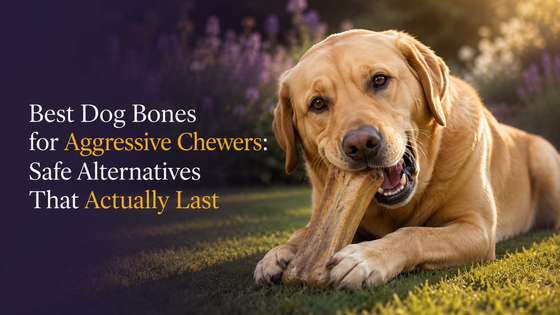
The best dog chew for most aggressive chewers is a properly-sized yak chew. It is the hardest natural chew that is also fully digestible, made from simple ingredients, free of chemical processing, and safe for routine use. For the most extreme power chewers, raw bones extend duration further but require more handling care.
Antlers last equally long but carry higher tooth fracture risk. Bully sticks are safe and digestible but simply do not last long enough to satisfy a true aggressive chewer. Rawhide should be avoided given the availability of better alternatives.
Join the conversation